
The short version
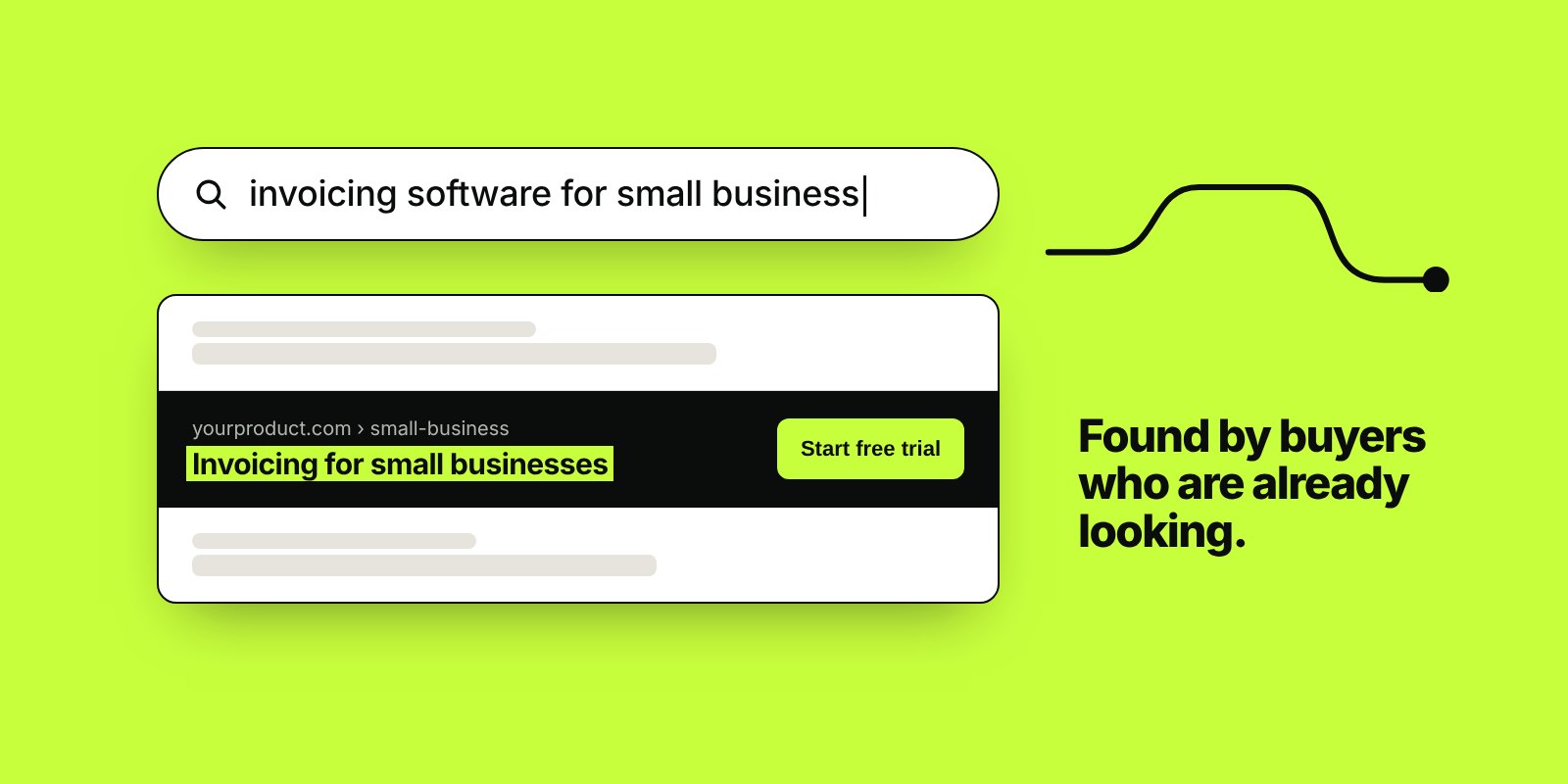
- Software buyers research before they buy. SEO puts you in front of them while they’re doing it.
- Target searches that sit close to a decision first: problems you solve, use cases, integrations and comparisons.
- Every page needs a clear next step, usually a trial, a demo or a pricing page.
- Fix the technical basics before writing more content. A lot of software sites hide their best pages from Google by accident.
- Judge SEO by the sign-ups and demo requests it brings in from organic search, and treat rankings as a supporting signal.
The SEO that works for software companies has changed. A few years ago you could publish lots of general articles, build some links and watch traffic climb. Google, and the AI tools people now use alongside it, have become much better at telling pages that answer a question apart from pages that don’t.
That favours companies that know their product and their buyers well, because the pages that win are full of detail an outside writer wouldn’t have.
Why SEO matters for software companies
Most people don’t buy software on impulse. They notice a problem, look for ways to fix it, compare a few options, check prices, read reviews, and often bring in someone else before anyone signs up. Much of that happens in search.
If you only show up at the end, when someone types your brand name, you’ve missed the part of the journey where they decided who to shortlist. SEO gets you on the shortlist without paying for every click. The results also build on each other: a good comparison or integration page can keep bringing in sign-ups for years, where an ad stops the day the budget does. It’s the work we do in our SEO service, and for SaaS companies in particular.
How SaaS SEO is different from traditional SEO
The principles are the same as for any SEO: useful pages that Google can read easily, on a site people trust. The differences are in who you’re selling to and what you count as a win.
- Buying is longer and more considered. There are often several people involved, and weeks between the first visit and a sign-up.
- Specific searches matter more than big ones. A small number of searches for “[your category] for [an industry]” can be worth more than thousands of visits to a general guide.
- The product creates its own search demand. Integrations, use cases, templates and “alternative to” searches are all chances to be found.
- The result you’re after is a trial, a demo or a sign-up, where a local business would count a phone call or a sale on the day.
Building a SaaS SEO strategy
Keyword research that follows the buyer
Start with the questions your buyers ask at each stage, then find the searches that match. Your sales calls, demo recordings and support tickets are the best source for this. They tell you the exact words customers use, which are rarely the words on your homepage.
| Stage | What they search | Page that answers it |
|---|---|---|
| Problem | how to stop chasing late invoices | Guide or blog post |
| Solution | invoice reminder software | Feature or category page |
| Fit | invoicing software for builders | Use case or industry page |
| Comparison | [competitor] alternative | Honest comparison page |
| Decision | [your brand] pricing | A pricing page Google can read |
Work from the bottom of that table up. Comparison, use case and integration pages are closer to a sign-up, so they usually pay back sooner than top-of-funnel guides.
On-page basics
Each page should target one main search and say so clearly in its title tag, main heading and opening paragraph. Use descriptive headings, plain URLs and image alt text that describes the image. Link related pages to each other, so Google understands how your feature, use case and pricing pages fit together, and so readers can find the next step.
Write a meta description for every important page. It doesn’t directly move rankings, but it’s the advert for your page in the search results, and it affects whether people click.
Content that answers real questions
The best SaaS content comes from conversations you’re already having. If prospects keep asking how your tool handles a particular workflow, that’s a page. If support keeps explaining the same set-up, that’s a guide. Content written this way is specific to your product, and competitors publishing generic articles can’t easily copy it.
Look at what already ranks for your target search, then aim to be more useful: clearer steps, real screenshots, worked examples, honest limitations. Length doesn’t help on its own, so answer the question properly and stop there.
Not sure which pages to build first?We’ll look at your site and your market and tell you where we’d start, on a free call.
Tell us what’s going onLanding pages that convert
Visits that never turn into sign-ups cost you time and money and bring nothing back. Feature, use case, integration and comparison pages should all lead to one clear action, and show the proof a buyer needs at that point: screenshots, a short demo, customer quotes, security or compliance details, and pricing or a clear route to it.
Keep forms short, make the page fast on mobile, and avoid hiding your pricing behind a form. Buyers who can’t find a price often go and find a competitor who shows one.
Links and authority
Links from relevant, credible sites still help Google decide who to trust. For software companies, the best ones usually come out of the product itself:
- Integration partners listing you in their directories or marketplaces
- Review and comparison sites in your category
- Original data or research from your product that others want to cite
- Guest appearances on podcasts and in industry publications
Avoid buying links in bulk. It puts your rankings at risk and rarely brings the right visitors anyway.
Technical checks for software sites
Software sites share a few common problems that hold SEO back without anyone noticing. Check these before writing anything new:
- Pages built in JavaScript that Google struggles to read. Check your main pages with the URL Inspection tool in Search Console.
- The app and the marketing site getting mixed up. Login pages, app screens and staging sites shouldn’t appear in search results.
- Pricing and documentation pages blocked or hidden behind logins when they could be bringing in searches.
- Slow pages on mobile, usually caused by heavy scripts, chat widgets and large images.
- Duplicate pages from tracking parameters, filters or old versions that were never redirected.
Measuring what SEO brings in
Rankings are a useful signal, but they move around constantly. These questions tell you more:
- How many trials, demos and sign-ups came from organic search this month?
- Which pages and searches led to them?
- Is that number rising over several months?
Set up conversion tracking in GA4 for sign-ups and demo requests, connect Search Console, and look at averages over time rather than one good day. Software buyers often visit several times before converting, so give SEO credit for the first visits it brings in as well as the last one before a sign-up.
What AI search means for software companies
More buyers now ask AI tools for software recommendations, alongside or instead of a Google search. The picture is still developing, but the pages that tend to get cited look a lot like good SEO pages: clear, specific answers, honest comparisons, real detail about who the product is for, and a brand that other credible sites mention. The work described above covers most of what helps here.
Frequently asked questions
Is SEO worth it for a software company?
Usually, yes, because software buyers research before they buy and SEO puts you in front of them while they’re comparing options. It works best alongside paid search and a site that turns visits into trials or demos.
How is SaaS SEO different from normal SEO?
The buyer journey is longer and more considered. Software companies need pages for problems, use cases, integrations and comparisons, and they count trials, demos and sign-ups as results where other businesses count calls or same-day sales.
How long does SEO take for a software company?
Months rather than weeks. Technical fixes and improvements to existing pages can show up sooner. New content and links usually take longer to build. Our guide to how long SEO takes explains why.
Should we target high-volume keywords?
Not at first. Specific searches with clear intent, such as a problem your product solves, an integration or an alternative to a named competitor, are usually smaller but closer to a sign-up.
What should we measure?
Organic sign-ups, trials and demo requests first, then the pages and searches that lead to them. Rankings and traffic are useful signals to watch alongside those.
Does AI search change SEO for software?
It adds another place where buyers look, and most of the same work helps in both. Clear, specific pages that answer real questions, and a brand other sites mention, help in traditional and AI-generated results.

Founder of The Pursuit Agency in Swindon. He has worked in SEO for fifteen-odd years and leads the agency's SEO and Google Ads work for owner-led businesses across the UK.